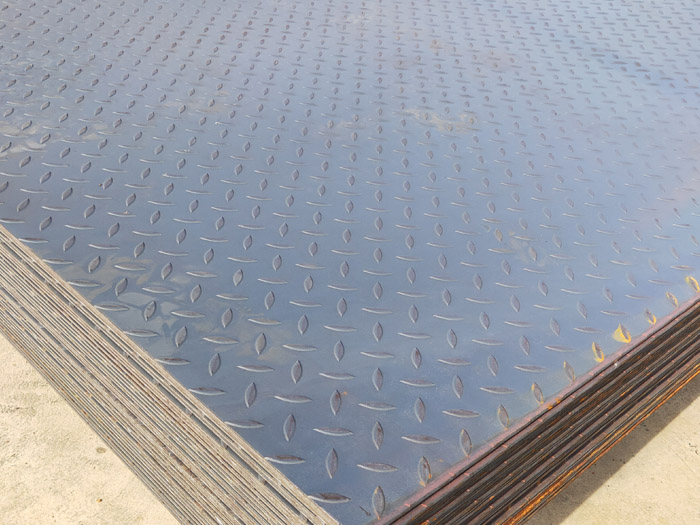
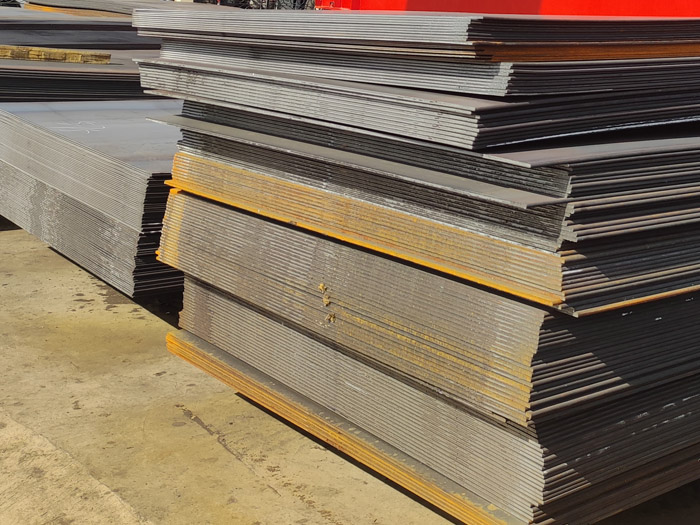
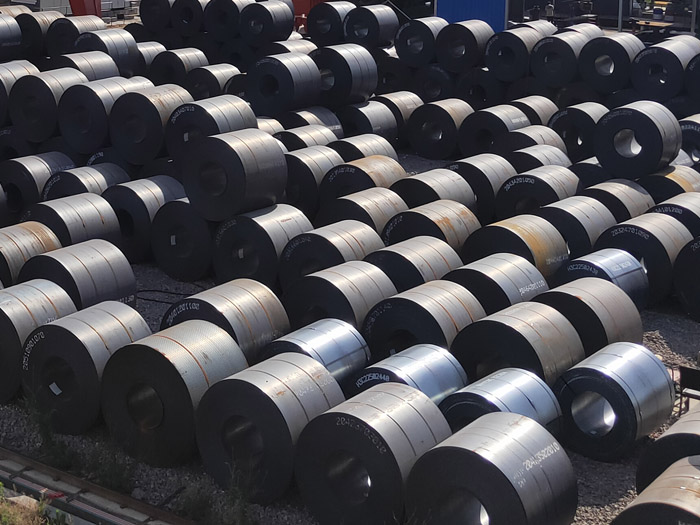
What is the principle of raw material selection for plate mill?
(1) The thickness of raw materials shall be as small as possible, which is conducive to the improvement of the efficiency of rolling mills and heating furnaces. In order to ensure the performance of the steel plate, the thickness of the raw material should meet the requirements of the compression ratio of the steel plate, and the compression ratio of different raw materials is also different.
(2) The width and size of raw materials shall be as large as possible. Wide raw materials are conducive to the operation of the mill. In order to meet the requirements of steel feeding operation during cross rolling, each mill has the limit of minimum raw material width, and raw materials less than this width cannot be sent to the mill during cross rolling.
(3) The length of raw materials shall be as close as possible to the maximum allowable length of raw materials. The heating capacity of the heating furnace is affected by raw materials. When the length of raw materials is within the allowable loading length of the heating furnace, the longer the raw materials, the greater the production capacity of the heating furnace and the smaller the unit fuel consumption.
(4) The length of raw materials must also meet various restrictions of rolling mill equipment and heating furnace, such as the allowable loading thickness of heating furnace, the maximum allowable length of rolled pieces of rolling mill, and the convenience of production and operation.

 Heating furnaces for medium and heavy plates are divided into continuous heating furnace, chamber heating furnace and soaking pit furnace according to their structures.
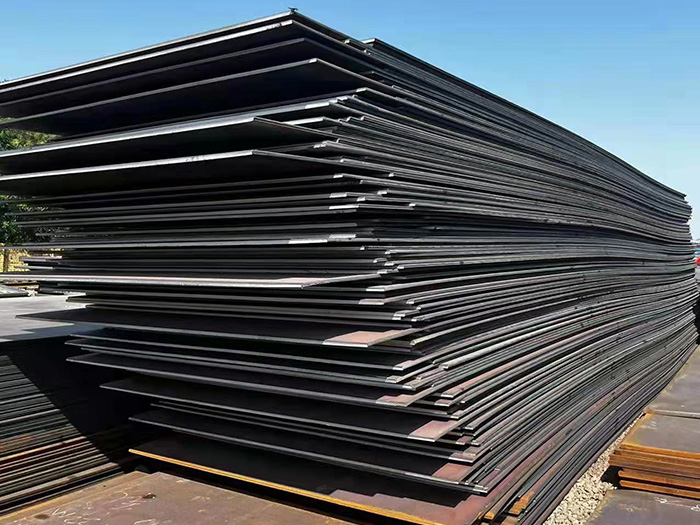
 Some defects may appear on the surface of flat ingots, blooming billets or continuous casting billets, which are used as raw materials for the production of medium and thick steel plates
 Advantages: the blooms are rolled by the bloomer with large ingots, so its structure is relatively dense, there is no as cast structure stress, and it can be heated at a higher heating speed than the ingots; Because the blooms have been compressed
ABOUT US
Plate Customization